Wild n Chill Crafting Hub
From stone knife to campfire shelter — bushcraft that keeps cabin life moving.
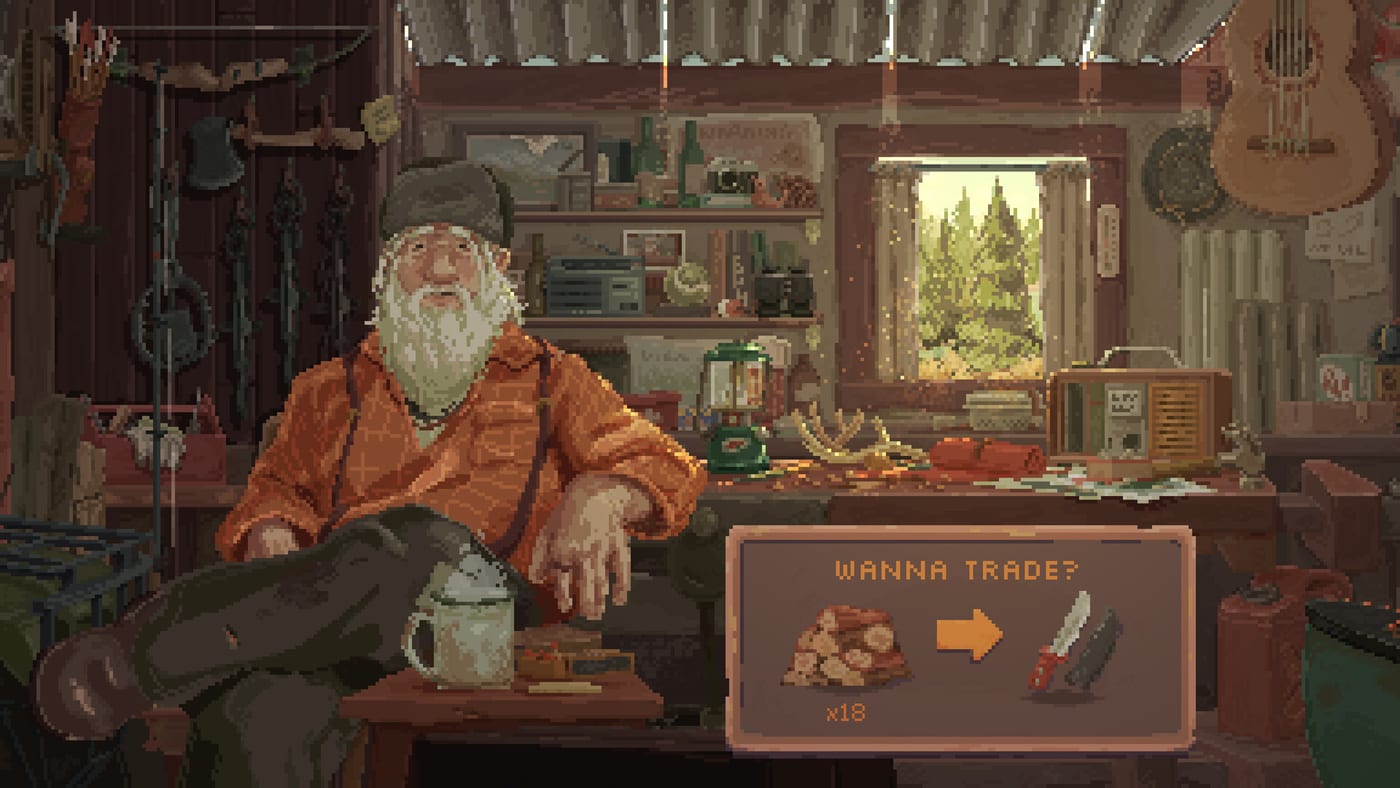
Welcome to the Wild n Chill Crafting Hub — your checklist home for bushcraft tools, material loops, and camp fixtures in Wombat Brawler’s cozy wilderness survival game. The full game is TBA; Steam hosts a Demo set in Coldwater Crossing (Demo went live August 6, 2026). Use this hub when you need the “what to craft next” answer without replaying an entire survival narrative.
If you are brand new, pair this section with Getting Started and the Demo Guide so crafting goals match what Coldwater Crossing actually teaches.
Why crafting sits at the center
Wild n Chill is not a loot-shooter with a crafting menu taped on. Tools unlock safer trails, warmer nights, and cleaner food. A stone knife starts the chain; rope and a stone axe widen what you can harvest; a campfire turns raw finds into something you can trust; shelter stops the wild from owning every rest; a bow stretches hunting range so you are not stuck chasing every rabbit by hand. That progression is the spine of early Demo hours and the language the full game will keep expanding across eleven planned regions.
Crafting also feeds other systems. Foraged fiber and stone become tools; tools feed cabin pieces; cabin pieces protect food stores and firewood; those stores free you to explore wildlife journal entries and map edges. When friends join online co-op (up to four), someone can specialize as the camp crafter while others hunt, fish, or haul wood — fewer backwards windows, more dry kindling.
Pages in this section
- Tools Progression — the bushcraft ladder from knife through bow, plus how each rung changes your day plan.
- Recipes — practical recipe thinking: materials, camp fixtures, shelters, traps, and food-related builds.
- Foraging — gathering loops that keep crafting fed without emptying your energy bar.
- Camp Structures — smokehouses, wood sheds, food stores, hunting hides, and cabin-adjacent builds.
Suggested crafting session plan
Start a Coldwater Crossing session with materials in mind, not vanity builds. Secure a knife-tier toolkit, then rope and axe so wood and fiber stop being bottlenecks. Plant a campfire before you wander too far; cold hands and bad ideas make poor overnight decisions. Put up a survival shelter once the fire is reliable, then work toward bow and trap pieces so hunting and food stores share the load with foraging.
Cross-check needs on Survival Needs while you craft — a perfect axe does not help if water and energy crater mid-hike. When black bears press the woods, read Bears and Danger before you haul unfinished builds into dense cover. For map context on where gathering feels dense, open Coldwater Crossing and the wider Map Hub.
How this hub links to the rest of the wiki
- Guides for narrative walkthroughs and chill pacing
- Wildlife for animals, fishing, and threat awareness that change what you craft for
- Map for region orientation and Demo boundaries
- Controls when bind confusion slows tool use
- Tools for wiki helpers and trackers
- Cabin Building when you graduate from lean-to thinking to proper cabin pieces
- Trading with Buck if hermit trades can fill a material gap
Keeping recipes Demo-honest
The Demo teaches essentials: simple tools, survival shelter, forage, hunt, and meeting locals such as Hermit Buck. Store-page cabin dreams — smokehouses, wood sheds, food stores, hunting hides, and deeper building styles — belong to the wider design and the full game roadmap. This hub labels Demo-first advice clearly and avoids pretending every cabin fixture is finished content. When Wombat Brawler expands recipes across new regions, return here for updated ladders and material notes.
Use the child pages for deep checklists (600+ words each) and keep this hub as your jump table. Craft slow, craft useful, and let the fire stay dry.
Frequently Asked Questions
Quick answers to the most common questions.
What should I craft first in the Demo?
Follow the bushcraft ladder: stone knife, then rope and stone axe, then campfire and shelter before stretching into bow and camp fixtures. Details live on Tools Progression.
Is the full crafting list finished?
No. The full game is TBA. The Demo teaches Coldwater Crossing essentials; broader cabin pieces and styles are part of the wider design.
Where do foraging materials fit?
See the Foraging page for gather loops that feed recipes without wrecking food, water, and energy.
Can co-op friends share crafting chores?
Yes. Online co-op supports up to four players — split gathering, tool crafting, and build placement so camp work stays efficient.