Wild n Chill Building Cabins & Shelters
From cold hands and bad ideas to home sweet home in the wild.
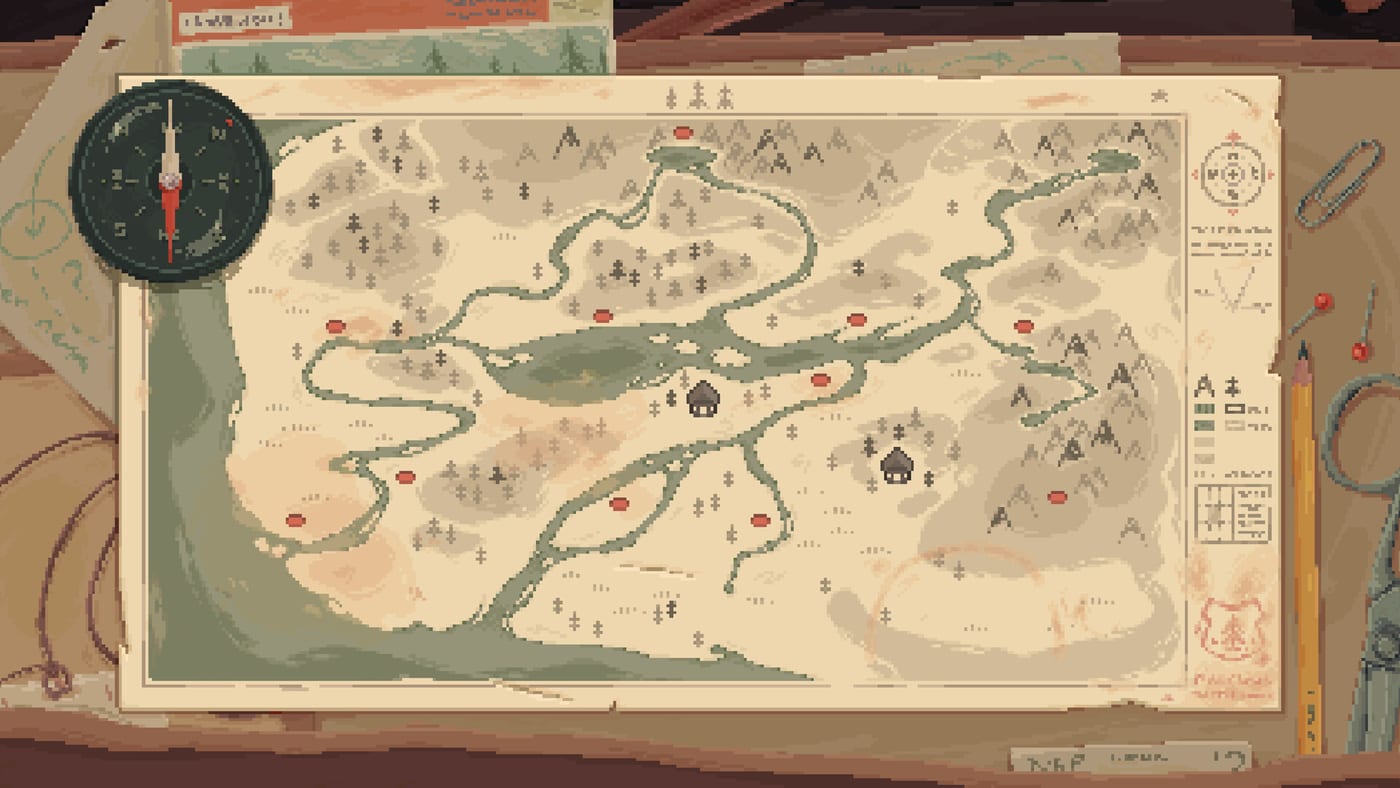
Cabin life is the emotional center of Wild n Chill. Store copy promises a path from a leaky lean-to to “the finest dang cabin this side o’ Blackbear Hollow,” with shelters, cabins, smokehouses, wood sheds, traps, food stores, hunting hides, and new building styles waiting as you explore deeper. The full game is still upcoming (TBA), while the Steam Demo — Demo build dated August 6, 2026 — teaches those instincts inside Coldwater Crossing.
This guide focuses on build priorities and camp layout thinking. For piece-by-piece recipes, lean on Crafting. For the Demo’s teaching goals, keep the Demo Guide nearby.
Start with survival shelter, not dream architecture
Your first structure has one job: make exploration reversible. A survival shelter turns a berry run into a loop with a home base. Place it near water and workable timber, with enough open sightlines that a black bear approach is not a surprise movie jump-scare through solid brush.
Resist the urge to decorate before you can eat. Pretty walls do not offset empty food, water, or energy meters — revisit Survival Needs if camp upgrades keep starving your routes.
The cabin progression fantasy
Think in layers:
- Emergency shell — lean-to / survival shelter energy.
- Work camp — chopping space, basic crafting access, dry wood habits.
- Food infrastructure — traps, food stores, smokehouse-style preservation when available.
- True cabin — sleep, storage, and identity; the place your dog curls up after a long day.
- Specialist buildings — wood sheds, hunting hides, and style variants as exploration unlocks them.
The Demo may not hand you every endgame fixture on day one. Treat missing pieces as roadmap context for the complete wilderness — eleven regions planned — rather than Demo bugs. Check Updates when build options expand.
Layout rules that keep camps cozy
Water petal: Camp should sit on a short petal to drinking water so every chore circuit is cheap.
Timber petal: Woodsheds and chopping zones belong where hauling does not cross your best forage trails.
Quiet sleep pocket: Separate loud work (chopping, heavy crafting) from rest space so evenings feel like Cast n Chill’s calm cousin, not a lumberyard.
Wildlife buffer: Do not stack food clutter on the bedroom doorstep. Most animals leave you alone, but bears and wolves are the manners exceptions in the game’s own pitch — and Demo black bears specifically roam dense woods.
Companion space: Leave room for the dog fantasy. Retrieval and warnings matter more when camp exits are clean. See Dog Companion.
Materials discipline
Building is a materials diet. Chop with a plan, store dry wood, and avoid converting every tree into panic fuel. When friends join online co-op (up to four), appoint one “timber lead” so the forest around camp does not vanish in twenty minutes of cheerful chaos. Shared/Split Screen and Remote Play Together are also on Steam’s feature list — chore rules still apply. Details in the Co-op Guide.
Trade surplus with hermit Buck instead of hoarding junk you will never build with. Trading with Buck helps you decide what is worth carrying versus crafting into camp upgrades.
Building styles and exploration
Official text says you discover new building styles as you explore deeper into the wild. In practice, that means your cabin identity should evolve with the map — Coldwater Crossing first, then wider biomes when the full game arrives. Use Map to frame Demo geography against the eleven-region plan, and Wildlife to understand which hunting hides make sense near productive game trails.
A practical Coldwater Crossing build order
- Survival shelter with clear exits.
- Basic tools from Crafting so every later piece is faster.
- Dry wood storage habit (wood shed when available).
- Food storage / preservation path (stores, smokehouse fantasy).
- Comfort pass: better sleep setup, cleaner paths, dog-friendly fire circle.
- Optional hunting hide once needs are boringly stable.
If you only finish steps one through three in a session, you still “won” the Demo evening. Wild n Chill is paced for slow living; cabin pride is a multi-session story.
Common cabin mistakes
- Building on a pretty overlook with no water petal.
- Expanding footprint before food stores exist.
- Ignoring bear approach angles in thick timber.
- Letting co-op builders place “creative” blocking props on main paths.
- Treating the Demo as if every full-game style is already unlocked.
Correct those, and Coldwater Crossing starts feeling like a place you would actually return to — which is the whole point while the complete Wild n Chill release remains upcoming.
For input friction while placing pieces, skim Controls. For the wider reading list, return to the Guides Hub or bookmark Links for official posts when new cabin features are shown.
Frequently Asked Questions
Quick answers to the most common questions.
What can you build in Wild n Chill?
The fantasy includes shelters, cabins, smokehouses, wood sheds, traps, food stores, hunting hides, and additional building styles as you explore.
What should I build first in the Demo?
A survival shelter near water and timber. Stabilize needs before chasing decorative cabin goals.
Does cabin building matter for survival?
Yes. Shelter, dry wood storage, and food infrastructure make foraging and hunting loops safer and calmer.
Will the Demo include every building style?
Not necessarily. New styles are framed as discovery rewards across a wider wilderness; the full game is still TBA.
Where are crafting recipes listed?
Use the Crafting section for systems detail; this page covers priorities, layout, and progression mindset.