Food, Water & Energy in Wild n Chill
Keep the chill loop stable while Coldwater Crossing tests your habits.
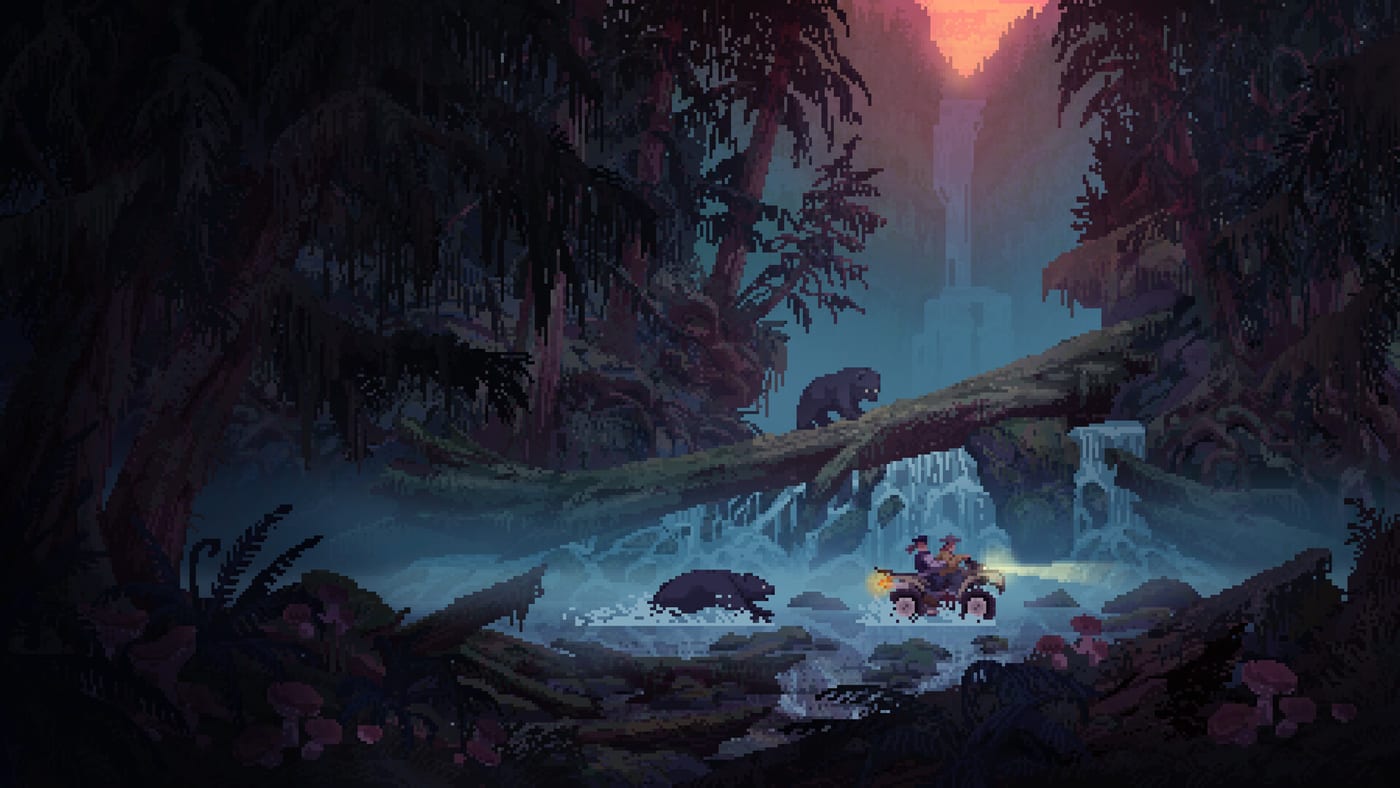
Wild n Chill’s comfort fantasy only works if you respect three meters: food, water, and energy. Official copy frames survival as living off the land — catch fish, gather berries, chop wood, set traps, hunt for supper — while the wilderness tries to keep you humble. This guide turns that pitch into a practical Coldwater Crossing routine you can reuse when the full game (still upcoming / TBA) expands beyond the Demo.
Pair this page with Getting Started for onboarding and the Demo Guide for region scope. Recipe and fixture details belong on Crafting; animal behavior belongs on Wildlife.
The chill survival loop
A healthy session looks like a circle, not a spike:
- Top up water near a reliable source.
- Secure calories (forage, fish, hunt, or traps).
- Spend energy on meaningful work (timber, building, exploration).
- Rest and warm up before the deficit stacks.
- Store surplus so tomorrow’s you is kinder than today’s.
When the circle breaks, players usually over-explore on an empty stomach, then meet a black bear while tired. Needs management is how you keep the story cozy.
Food: many paths, one belly
Wild n Chill supports multiple food philosophies. You can lean hard into gathering if hunting is not your thing, or mix fish, traps, and tracked game. In the Demo slice, practice identifying repeatable calorie routes inside Coldwater Crossing instead of gambling on a single trophy hunt.
Practical food habits:
- Forage with intent. Berries and plants are pacing tools — fast calories between bigger scores.
- Fish when the map offers peace. Rivers are both pantry and rest zone if you watch the banks.
- Hunt when prepared. Stalking elk and other game is part of the fantasy, but only after shelter and water are solved.
- Trap for passive gains. Traps fit the chill fantasy: set, walk away, return wiser.
- Plan storage early. Food stores and smokehouse-style structures are on the cabin roadmap — see Cabin Building.
Journal curiosity helps here. Tracking animals and fish (40+ animals and 20+ fish planned across the full wilderness) teaches which routes are reliable. Use Map notes to remember productive pockets.
Water: the quiet meter
Water fails are rarely cinematic, but they ruin evenings. Mark a default refill stop every time you leave camp. If co-op friends scatter, agree on a shared water landmark so nobody “dies of optimism” on a scenic ridge.
Carry the habit into longer Demo hikes: explore outward in petals that return to water, not arrows that strand you. Energy and water deficits compound faster than players expect when black bear detours force longer walks home.
Energy: the real exploration budget
Energy is permission. Low energy turns every chore into a mistake — poor aim, late reactions, sloppy camp exits. Spend energy on upgrades that reduce future spend: closer timber, better storage, cleaner trails, smarter traps.
Campfire evenings are not only aesthetic. They are how you reset the human half of the survival fantasy: warm, fed, dog nearby, plan for tomorrow. If your dog warns about danger, treat that as an energy-saving gift — avoiding a bear scramble preserves more than pride. Details in Dog Companion.
Firewood and warmth as soft needs
Store copy calls out keeping firewood dry and wolves out of camp. Even when Coldwater Crossing feels calm, dry wood is a soft fourth need. Chopping without a wood shed plan creates chaos piles; building storage is how cabin life starts to feel intentional. Cross-link chores with Crafting when you unlock new fixtures.
Threat-aware needs management
Most critters leave you be, but bears and wolves are not known for manners in the game’s own wording. In the Demo, black bears are the headline hazard. Needs discipline helps:
- Do not eat every forage find standing in thick brush.
- Do not sleep beside unmanaged food clutter.
- Do not chase wounded game into unknown timber when energy is already low.
If you trade with hermit Buck, bring surplus — never your last meal. Trading with Buck explains the social side of surplus management.
Co-op chore math
Online co-op up to four players turns needs into a shared spreadsheet. One friend hunts, another fishes, someone gathers firewood, someone minds camp. That joke from the store page is also the optimal strategy. Read Co-op Guide before your next multiplayer Demo night.
A needs checklist before you log off
- Water source still marked?
- Tomorrow’s calories staged?
- Energy restored enough for a safe logout hike?
- Firewood dry and stored?
- Dog warned you about anything you should avoid next time?
If all five are yes, you are playing Wild n Chill correctly — calm, prepared, and ready for Coldwater Crossing to feel like home while the full game remains upcoming.
Frequently Asked Questions
Quick answers to the most common questions.
What survival needs does Wild n Chill track?
The core loop calls out food, water, and energy while you forage, fish, hunt, trap, and keep firewood dry.
Can I survive without hunting?
Yes in spirit — the game explicitly supports living off gathering if hunting is not your style. Mix fish and traps as the map allows.
How do black bears affect needs play?
Bears force detours and panic spends of energy. Keep meters stable so you can give them space instead of scrambling hungry through dense woods.
What should I stabilize first in the Demo?
Water route, basic calories, and a survival shelter — then improve storage and tools so exploration becomes optional, not desperate.
Where do recipes live on this wiki?
Use the Crafting section for tools and fixtures; this Survival Needs guide focuses on pacing and decision-making.