Wild n Chill Review & Impressions
A chill-read on tone, Demo scope, and whether Coldwater Crossing matches your survival mood.
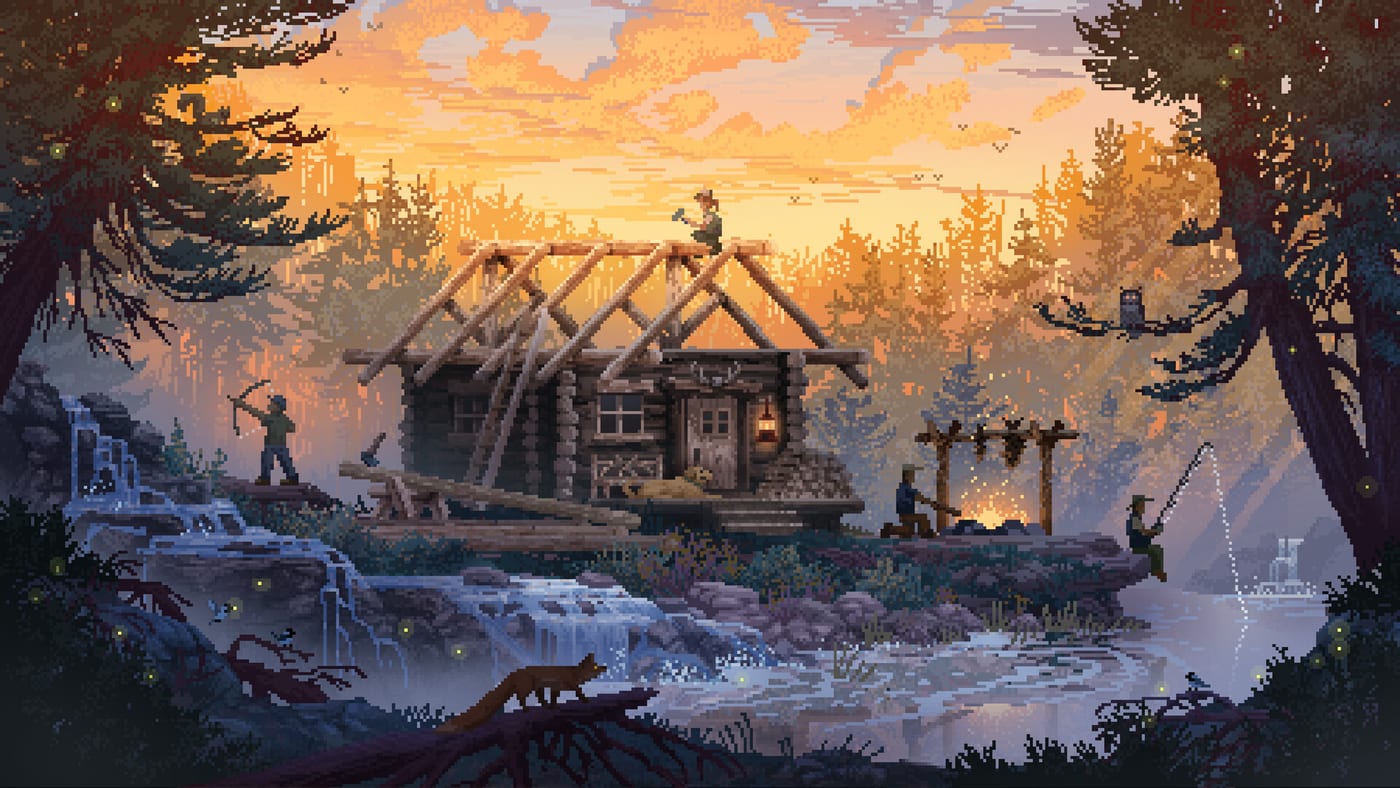
This page is a review-style impressions guide for Wild n Chill — not a numeric scorecard pretending the TBA full game is finished. Wombat Brawler’s cozy wilderness survival pitch sits in the same calm family as Cast n Chill, but swaps the pier for trails, cabins, traps, and a dog that earns its keep. Steam hosts a Coldwater Crossing Demo that went live on August 6, 2026; the complete game remains upcoming on PC and Mac with Switch platforms planned. Watch the official gameplay trailer embedded mid-article, then use the sections below to decide whether the fantasy fits your evenings.
For practical onboarding after the trailer, jump to Getting Started. For scoped expectations, keep Demo Notes open.
The fantasy in plain language
Wild n Chill wants you to feel competent at camp life. You forage, hunt, fish, and craft until a rough shelter becomes a cabin you recognize as home. Needs meters exist — food, water, energy — but the marketing and trailer language push patience over panic. Most wildlife leaves you alone; predators such as black bears (and wolves in the broader design) exist to keep attention honest.
If you bounce off games that punish every mistake with permadeath spirals, this pitch is likely for you. If you need constant PvP threat, it is not. The trailer’s job is to show pace; your job is to believe that chopping wood can be the main event.
What the gameplay trailer gets right
The official gameplay trailer emphasizes motion through camp spaces, tool use, and companion presence more than loot montages. That matches how Coldwater Crossing plays best: short gather routes, deliberate builds, and shared jokes when co-op carpenters misplace a wall.
Take trailer shots as tone samples. Cabin sets, region variety, and wildlife counts in the wider pitch (eleven regions planned, 40+ animals, 20+ fish) describe the upcoming full game direction. The Demo teaches the bushcraft core in one region — see Coldwater Crossing and Demo vs Full.
What the Demo already proves
- The chill pace is intentional, not empty.
- Food, water, and energy create soft structure without turning every minute into panic — Survival Needs.
- Crafting progression reads clearly for beginners — Tools Progression and Crafting.
- Wildlife has personality: journal targets on one side, black bear threat on the other — Bears and Danger.
- Companion fantasy lands quickly via the dog’s retrieve and warn roles — Dog Companion.
Demo impressions framework
A fair Demo impression answers four questions:
- Did the first hour feel readable? Shelter, needs, and tools should click without a wiki — though crafting pages help when recipes pile up.
- Did the dog matter? Retrieval and danger warnings should change decisions, not only decorate screenshots.
- Did bears create stories without ruining the mood? A good scare that ends in laughter fits; constant corpse runs would not.
- Did co-op reduce chores to chaos or comedy? Online play for up to four thrives when roles are assigned — Co-op Guide.
Score those privately. This page will not invent a Metacritic number for an unfinished full game.
Who will like Wild n Chill
- Fans of Cast n Chill who wanted land systems and cabin crafting.
- Players who enjoy Shared/Split Screen wilderness nights.
- Controller-first couch camps (Steam lists Full controller support) — see Controller.
- Groups that like dividing hunting, fishing, and building instead of racing a battle pass.
- Anyone on modest PCs; requirements stay light (System Requirements).
Who may bounce off
- Players hunting a hardcore extraction loop or constant PvP.
- Completionists who demand all eleven regions on Demo day.
- Anyone expecting the full game to be downloadable as a finished 1.0 — it is TBA.
- Speedrunners who dislike stopping to look at berry lines and bear paths.
Wishlist checklist
- You enjoyed Cast n Chill’s calm pacing or want land-based cozy survival.
- You accept Demo boundaries and will not grade Coldwater Crossing as the finished eleven-region product.
- You want controller-friendly camping — skim Controls.
- You care about local trading characters like Buck rather than endless vendor spam — Trading with Buck.
- You prefer light system requirements and honest TBA language.
Cozy does not mean empty
The best compliment you can give Coldwater Crossing is that quiet moments still contain decisions: where to place the shelter, when to trade with Buck, whether to push a hike on low energy, how to react when the dog warns you. Read Cabin Building if upgrades are next. Wildlife keeps journal curiosity aligned with threat awareness.
Multiplayer verdict (early)
Online co-op up to four is the headline social feature; Shared/Split Screen and Remote Play Together widen who can join without identical hardware. The vibe works when friends accept a carpenter-versus-forager split. It frays when everyone opens the same stash and moves the same wall.
How this review stays honest over time
We will revise impressions when Demo patches change pace or when the full game ships. Until then, prefer careful verbs: Demo went live, Steam hosts a Demo, full game is TBA. Never imply the complete game has shipped. Official films continue on YouTube; short updates on X; design blurbs on the studio page. Store entries remain the Demo and full game listings.
Announcement history lives on Announcement Timeline with a different official video. Keep one trailer mental model per page — this Review page owns the gameplay trailer ID only.
Session grading rubric you can reuse
After two Demo evenings, grade privately on a simple five-point feel scale:
- Pace — Did you want one more forage loop, or did you force yourself to continue?
- Clarity — Could you explain shelter, needs, and the next tool rung to a friend?
- Threat balance — Did black bear moments create stories without emptying the fun tank?
- Social fit — Solo-with-dog versus online co-op up to four: which felt natural?
- Return urge — Would you boot Coldwater Crossing again without a new trailer bribe?
If three or more answers lean positive, the Demo fantasy is working for you. If not, wishlist the full game and revisit when Wombat Brawler opens more of the eleven-region plan. Either outcome beats pretending a TBA title is finished software.
Pair that rubric with map literacy on Map and wildlife notes on Animals Journal so your second opinion is grounded in routes you actually walked.
Practical next steps after watching
- Install the Demo and tick the Demo Survival Checklist.
- Play a single calm loop before judging cabin depth.
- Skim Demo Guide if bears or Buck confuse you.
- Return to the Updates Hub when the next Studio film drops.
Wild n Chill’s promise is a wilderness that lets you exhale. If the trailer makes you crave a quiet fire more than a kill feed, Coldwater Crossing is worth your evening — with clear eyes about Demo scope and a TBA horizon for the rest of the map.
Frequently Asked Questions
Quick answers to the most common questions.
Is this a scored review of the full game?
No. It is an impressions guide anchored by the official gameplay trailer while the full game remains TBA and the Demo teaches Coldwater Crossing.
Which trailer is embedded here?
Wild n Chill - Official Gameplay Trailer (YouTube ID Up94GOJsC78). The announcement film lives on the Announcement Timeline page.
Should beginners start with this Review page?
Watch the trailer here if you want tone, then switch to Getting Started and Demo Notes for actionable steps.
Does co-op change the recommendation?
If your friends like shared chores and cabin comedy, co-op strengthens the pitch. If they only enjoy PvP, look elsewhere.
Where do I compare Demo and full-game expectations?
Use the Demo vs Full page under Links, plus Demo Notes in Updates.