Wild n Chill Foraging Guide
Gather fiber, food, and camp materials without emptying your energy bar.
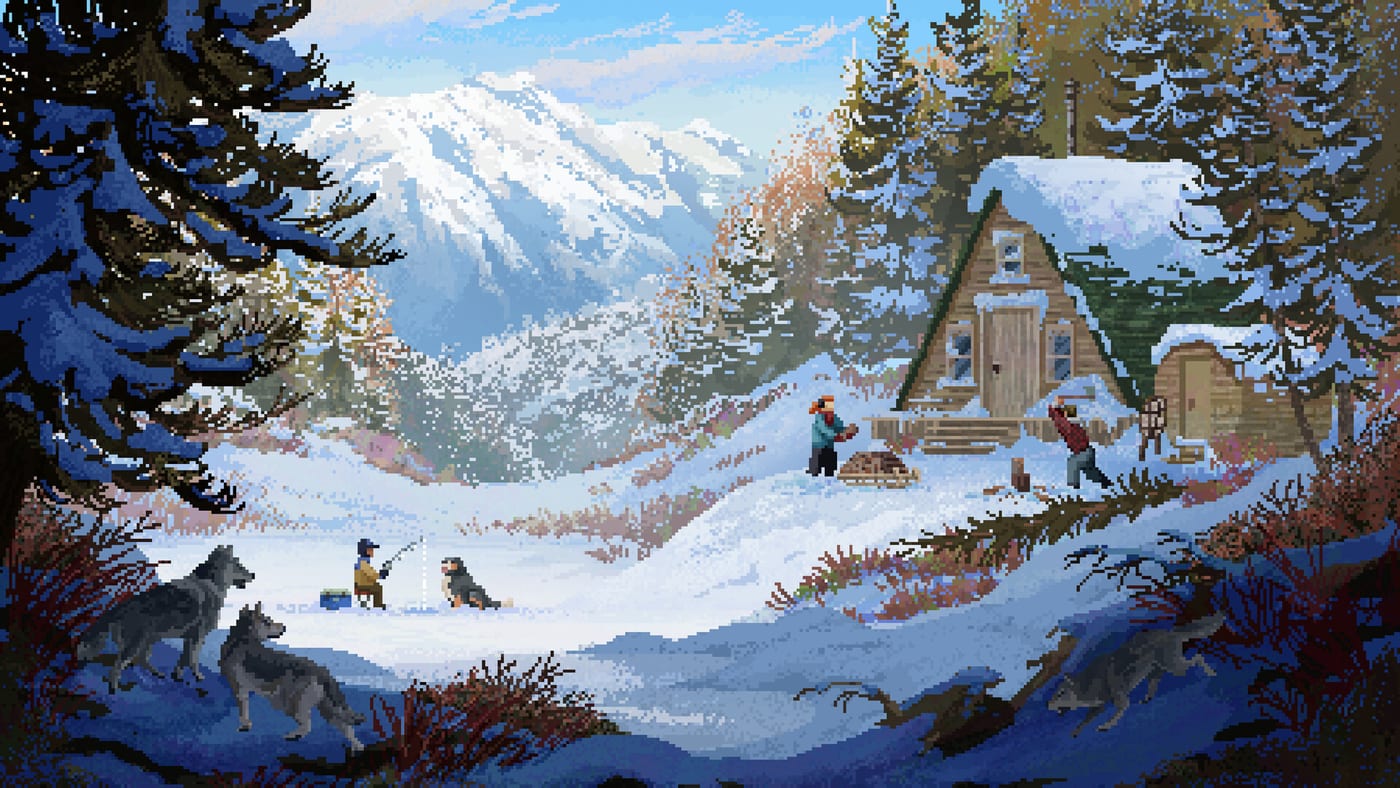
Foraging is the quiet engine of Wild n Chill. Before the bow sings and before cabin walls feel permanent, you walk Coldwater Crossing with eyes on plants, loose stone, and anything that becomes cordage, kindling, or a snack. Wombat Brawler’s cozy wilderness fantasy is built on that slow attention. Steam hosts a Demo for this first region (Demo went live August 6, 2026); the full game is TBA with eleven regions planned. This page teaches forage habits that feed crafting without turning every outing into an exhaustion spiral.
Pair this guide with Tools Progression so you know why fiber and stone matter, and with Survival Needs so hunger, thirst, and energy stay in the green while you gather.
What foraging is for
Foraging fills three buckets:
- Crafting inputs — fiber for rope, stone for early tools, wood-adjacent finds that support fire and shelter.
- Immediate calories — edible picks that bridge gaps between hunts and fishing sessions.
- Route intelligence — learning which edges of Coldwater Crossing renew materials so later sessions start smarter.
If a gather trip does none of those three, it was a scenic walk. Scenic walks are allowed — this is a chill game — but label them honestly so you do not wonder why the campfire starved.
Energy-safe forage loops
Plan loops that return to fire and water. Out-and-back spines along timber lines beat random zigzags through dense bear country. Read Bears and Danger before treating every thicket like a grocery aisle. Keep the dog companion close; warnings matter more when your hands are full of fiber. See Dog Companion for camp habits that support gather runs.
Break trips into short circuits:
- Morning: fiber and stone near camp for knife/rope/axe needs
- Midday: food forage plus a water top-up
- Afternoon: wood support for fire if the axe is ready
- Evening: cook what you found; stop gathering when light and energy drop
Online co-op (up to four) can assign one dedicated forager while others hunt, fish, or build. That split prevents four people stripping the same berry patch while the shelter frame sits empty.
Feeding the crafting ladder
Knife work wants processable materials nearby. Rope wants fiber stockpiles, not single wisps. Axe work wants you to stop hand-breaking every branch. Fire wants dry fuel more than pretty sparks. Shelter wants frames you can raise before night panic. Bow work wants you free from emergency calorie scavenging. Every rung is easier when forage is scheduled — details on Tools Progression and Recipes.
Do not over-gather vanity piles. Excess wet wood and unsorted plants create clutter and false confidence. Sort at camp: craft pile, cook pile, trade pile. Hermit Buck might take something worth offering if your trade pile is intentional — Trading with Buck.
Food forage vs hunting and fishing
Foraging should stabilize, not replace, protein plans. Use plants to smooth bad hunt days; use Fishing when water edges are safer than chasing game; use bow hunting when trails are clear. The Animals Journal on Animals Journal rewards curiosity across 40+ planned animal species — foraging routes often brush those encounters, so move quietly and keep exits open.
If needs crash mid-loop, abort. A half-full fiber satchel is better than a full one next to an empty stamina bar halfway from camp. Getting Started and the Demo Guide reinforce that chill pace: Coldwater Crossing teaches essentials, not speedrun gathering.
Map-aware gathering
Learn landmarks. Water edges, open meadows, and timber belts each suggest different finds. Use Coldwater Crossing for Demo orientation and Regions Overview for how the wider eleven-region map may diversify materials later. Until more regions open in the full game, mastery means knowing Coldwater’s renewals, not memorizing a theoretical continent.
Mark mental “do not greed” zones near dense cover where black bears are less interested in sharing the trail. Forage the margins; leave escape room; never craft mid-threat.
Co-op forage etiquette
Call targets out loud. “Fiber south ridge” and “stone by the creek” beat silent competition. Drop materials at a shared stockpile before anyone starts a multi-step recipe. If someone is mid-shelter build, prioritize their missing mats over personal snack tours. Shared/Split Screen and Remote Play Together make voice or clear pings essential.
Session checklist
- Check needs before leaving camp
- Carry only what the next craft rung requires
- Keep dog and exit routes in mind
- Cook forage before night fully settles
- Log useful nodes mentally against the Map Hub
- Return leftovers to Crafting plans, not the forest floor
Foraging is how Wild n Chill stays cozy: small honest loops, dry fire waiting at home, and enough materials that the next tool feels inevitable instead of stressful. When you want the wider survival story, head back to Guides; when binds fight you, open Controls; when you want trackers, use Tools.
Frequently Asked Questions
Quick answers to the most common questions.
What should I forage first?
Fiber and stone that feed knife, rope, and axe crafts, plus enough food finds to keep needs stable while you establish fire and shelter.
How do I forage without exhausting myself?
Use short loops that return to camp, watch energy on the Survival Needs page, and abort when light or stamina drops.
Is foraging enough to skip hunting?
No. Forage stabilizes calories and materials; balance it with fishing and hunting so protein and camp stores stay reliable.
Can friends split foraging in co-op?
Yes. Online co-op up to four works well with one dedicated gatherer while others hunt, fish, or build.
Where does foraging matter on the map?
Learn Coldwater Crossing landmarks first; the full game plans eleven regions with broader material variety later.