Wild n Chill Map Hub
Orient Coldwater Crossing now — and track the eleven-region wilderness ahead.
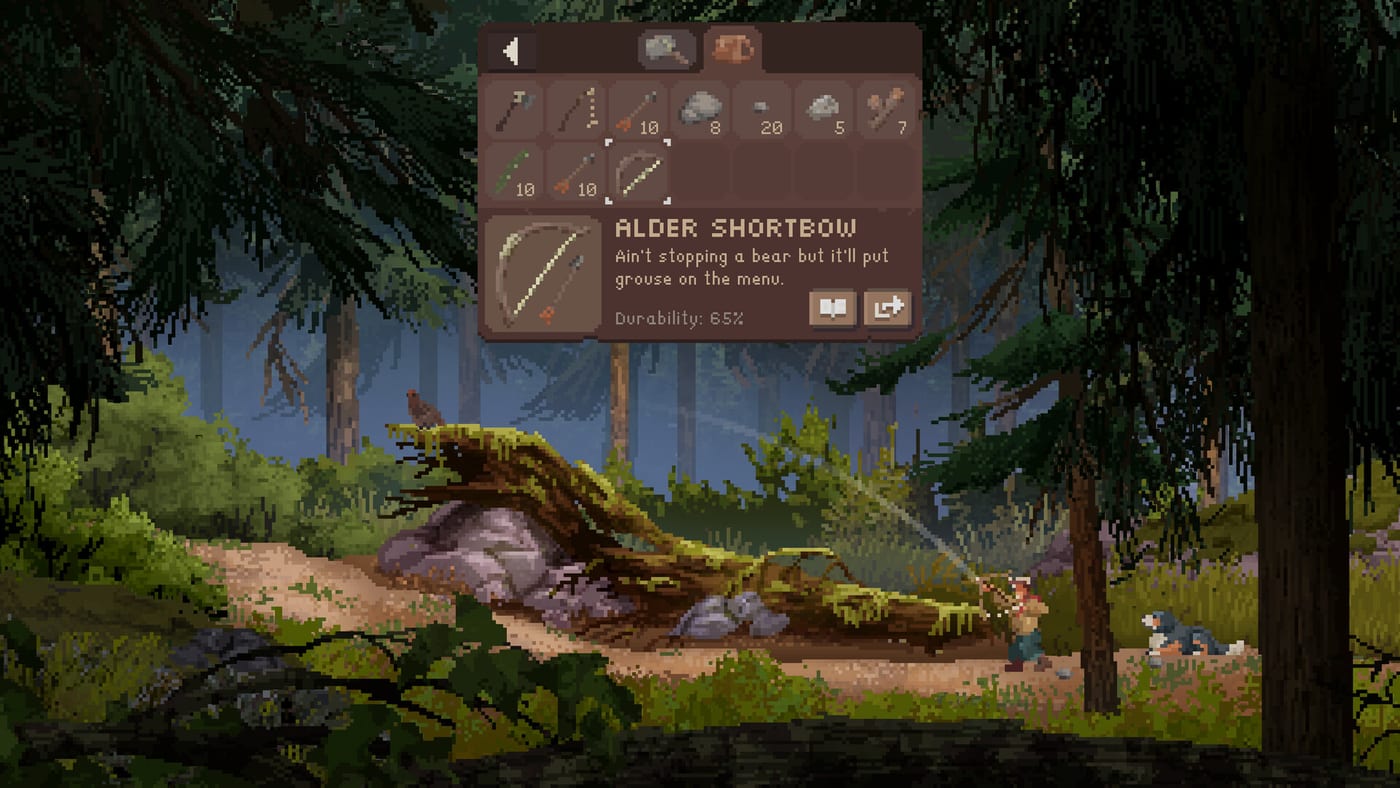
Welcome to the Wild n Chill Map Hub — orientation for Wombat Brawler’s cozy wilderness survival world. Steam hosts a Demo focused on Coldwater Crossing (Demo went live August 6, 2026). The full game is TBA, with eleven regions planned from the wider design. Use this hub when you need landmarks, Demo boundaries, and exploration pacing instead of a full crafting or combat manual.
If you just booted in, pair map reading with Getting Started and the Demo Guide so you know what the first region is meant to teach.
How to read this wilderness
Wild n Chill sells slow travel: forage lines, hunting trails, fishing banks, and the walk home to a dry fire. Maps here are about decision quality — where to place shelter, which edges renew materials, which thickets deserve respect because black bears share them. Online co-op up to four makes shared landmarks mandatory; “meet at the crooked pine” only works if everyone agrees which pine.
The Demo is your classroom region. The eleven-region plan is the long hike. This hub keeps those layers distinct so nobody thinks the entire wilderness already ships inside Coldwater Crossing.
Pages in this section
- Regions Overview — how to think about eleven planned regions, biome variety, and roadmap honesty.
- Coldwater Crossing — Demo-first orientation: bushcraft goals, locals like Hermit Buck, and practical route habits.
Suggested exploration order
Establish knife-to-shelter basics via Tools Progression before vanity ridge tours. Learn a forage loop from Foraging, a safe bank from Fishing, and a no-greed thicket rule from Bears and Danger. Then expand outward using Coldwater landmarks until return trips feel automatic.
Keep Survival Needs stable; maps do not feed you. When cabin ambitions grow, Cabin Building should sit near timber and water you actually understand.
Cross-links outside Map
- Guides for session walkthroughs and chill pacing
- Crafting for tools and camp fixtures tied to resources you find
- Wildlife for animals, fish, and threat literacy on those routes
- Controls when camera or movement fights exploration
- Tools for wiki helpers and personal trackers
- Updates when Demo patches change what a region contains
- Links for official Steam and studio destinations
Co-op map habits
Name places. Drop shared goals (“wood south, fish west”). Leave someone camp-aware so explorers are not orphaned. Shared/Split Screen and Remote Play Together make verbal landmarks even more important than fancy pings.
Dog companions help on trails; they do not replace a remembered path. Bring them, listen for warnings, and still walk like you know the way home — Dog Companion.
Roadmap honesty
Eleven regions, 40+ animals, and 20+ fish are planned targets for the complete experience. Coldwater Crossing is first and Demo-playable now as a downloadable Demo slice. This wiki will widen region pages as Wombat Brawler shows more. Until the full game arrives, master the crossing you have.
Use child pages for deep orientation (Coldwater especially) and keep this hub as your jump table. Explore with a fire waiting behind you.
Frequently Asked Questions
Quick answers to the most common questions.
What region is in the Demo?
Coldwater Crossing — the first region — is the Demo focus. Learn bushcraft essentials there while the full game remains TBA.
How many regions are planned?
Eleven regions are planned for the complete wilderness. See Regions Overview for how to think about that roadmap.
Should I explore everything on day one?
No. Secure tools, fire, and shelter first, then expand along known return paths with stable survival needs.
Where do wildlife and crafting fit with the map?
Use Wildlife for trail threats and fishing banks; use Crafting for tools that make longer loops realistic.